
Light Therapy for Hair Growth: Does It Really Work?
A Deep Dive into the Science, Devices, and Results
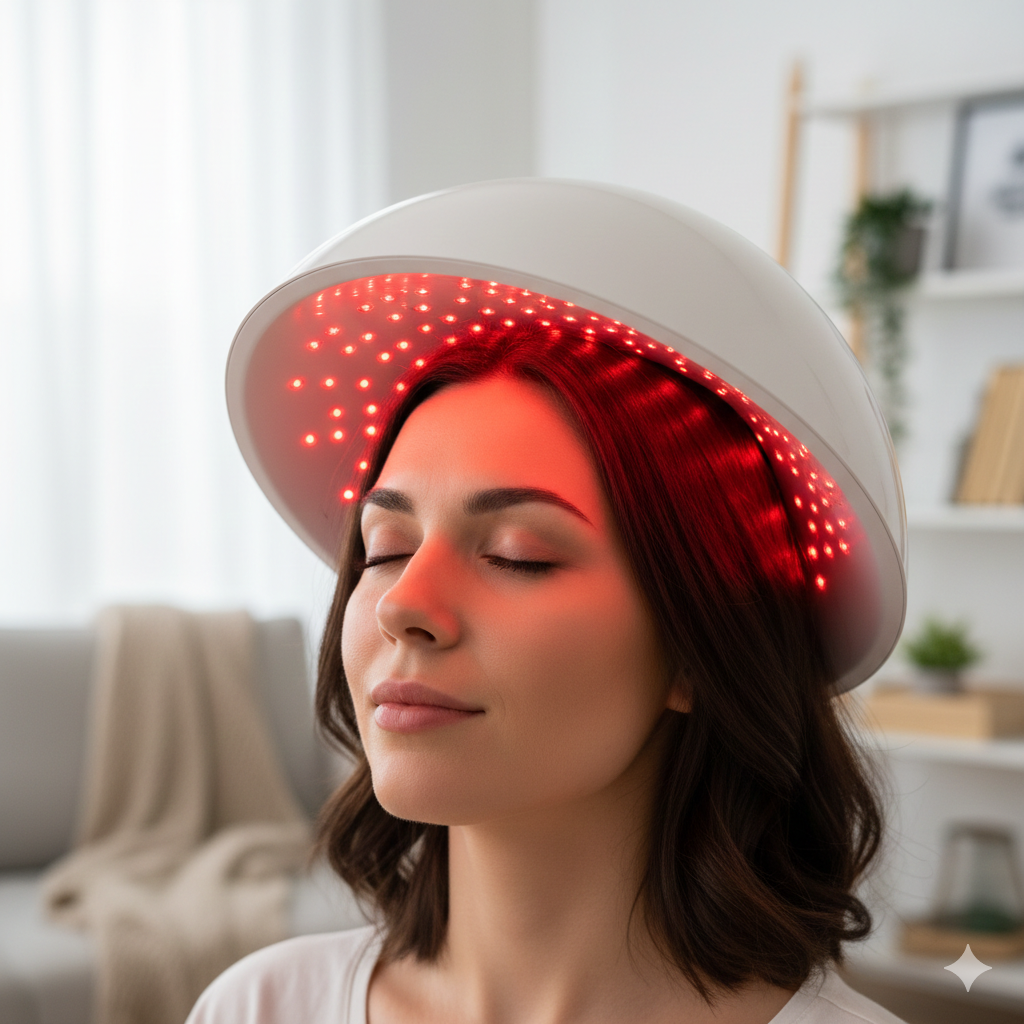
The search for a miracle cure for thinning hair is as old as baldness itself. We’ve seen the infomercials for questionable serums, the desperate measures involving exotic oils, and the expensive surgical routes. But in recent years, one specific technology has moved from clinical dermatology labs into the hands of consumers with a promise that sounds too good to be true: reversing hair loss by simply sitting under a red light.
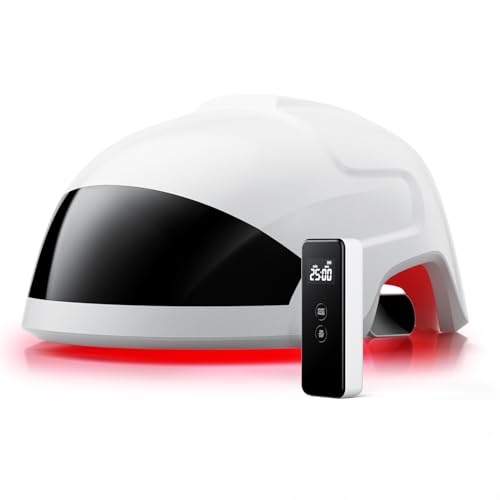
You’ve likely seen the gadgets—helmets, caps, and combs that claim to stimulate your scalp with “low-level laser therapy.” But as a journalist who has spent the last decade covering the aesthetics and biotechnology sectors, I’ve learned that not all shiny objects (literally) deliver on their hype.
I’ve spent the last month interviewing trichologists, poring over peer-reviewed studies, and testing consumer devices to cut through the noise. Here is the unvarnished truth about light therapy for hair growth, how it works on a cellular level, and whether it’s worth your hard-earned money.
What Is Light Therapy for Hair Growth? (The Mechanism Explained)
Let’s clear up the terminology first. You’ll hear it called low-level laser therapy (LLLT) , red light therapy, or photobiomodulation. Despite the name “laser,” we aren’t talking about surgical scalpels or burning beams. These devices emit specific wavelengths of light—typically in the red (630–660 nanometers) or near-infrared (810–850 nanometers) spectrum.
The Cellular “Recharge”
The science here is fascinating and has roots in NASA’s plant growth experiments. When your hair follicles miniaturize due to genetics (androgenetic alopecia) or age, they aren’t necessarily dead—they are just dormant. They are energy-starved.
Mitochondria, the power plants inside your hair follicle cells, absorb this specific light energy. This absorption triggers a cascade of biological effects:
- ATP Production: The cells produce more adenosine triphosphate (ATP), the fuel they need to function and divide.
- Blood Flow: Light therapy stimulates vasodilation, bringing oxygen and nutrients to the starving follicle.
- Inflammation Reduction: It modulates inflammatory cytokines, which are often a culprit in pattern baldness.
In short, you are literally recharging the battery of the hair follicle to push it from the resting (telogen) phase back into the active growth (anagen) phase.

Decoding the Clinical Evidence: Does It Actually Work?
I never take a manufacturer’s “before and after” photo at face value. Lighting, haircuts, and angles can be manipulated. So, I looked exclusively at independent, double-blind, sham-controlled trials—the gold standard of clinical research.
The 2014 Review That Changed Everything
A landmark study published in the American Journal of Clinical Dermatology reviewed 21 clinical trials on LLLT. The conclusion was surprisingly robust: among men and women with androgenetic alopecia, those using LLLT devices showed a statistically significant increase in hair density compared to the placebo groups.
More recent 2021 meta-analyses in the Journal of Clinical Medicine confirmed these findings, noting that the average increase in hair count ranged from 20 to 35 hairs per square centimeter after 24 to 26 weeks of consistent use.
The Caveat: It’s Not a Cure-All
While the data is promising, it is specific. Light therapy works best on follicles that are miniaturizing but still open. If you have a completely smooth, shiny scalp (where the follicle has scarred over), light therapy will not resurrect it. It is a treatment for thinning, not a miracle for total baldness.
Red Light vs. Laser Caps: Navigating the Tech
The market is flooded with devices, and the terminology can be confusing. Is a “laser” cap better than an “LED” cap? Let’s break down the hardware.
Laser Diodes vs. LED
- Laser Diodes: These produce coherent, focused light. In theory, this allows for deeper penetration into the scalp tissue. Most high-end clinical devices use lasers.
- LEDs (Light Emitting Diodes): These emit non-coherent light. They scatter more, but they are cheaper to manufacture and can cover larger surface areas if arranged correctly.
Expert Insight: From a physics standpoint, coherence is largely lost as light penetrates the first few millimeters of skin. By the time it reaches the follicle bulb, both lasers and LEDs are delivering similar photonic energy. The total energy dose (Joules per square centimeter) and the number of diodes matter far more than whether the light is coherent or not.
Form Factors: Helmets, Caps, and Combs
- The Comb (e.g., HairMax): You must part your hair and slowly move the device across the scalp. It is time-consuming but allows for direct scalp contact.
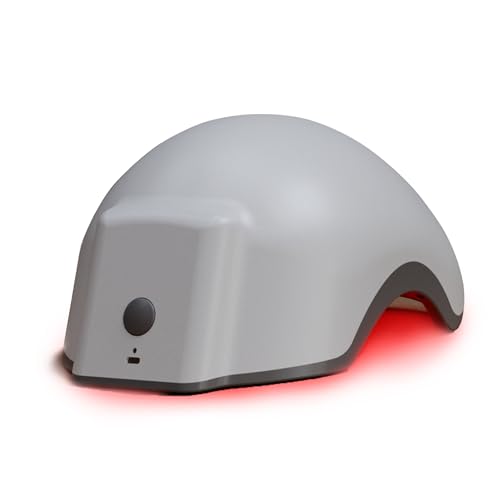
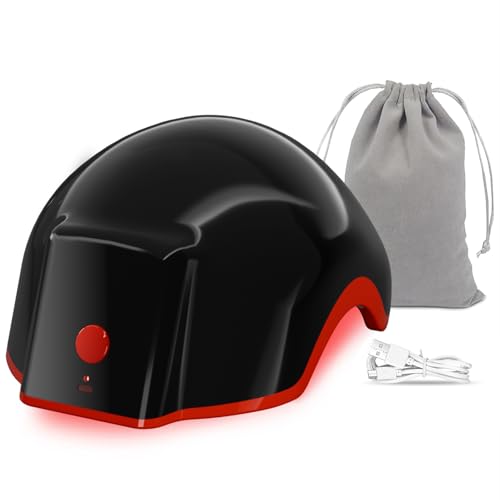
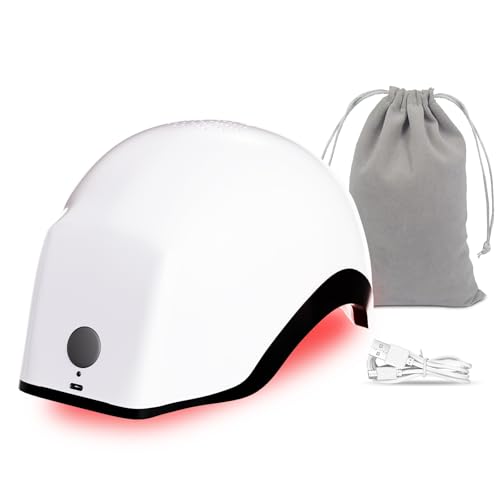
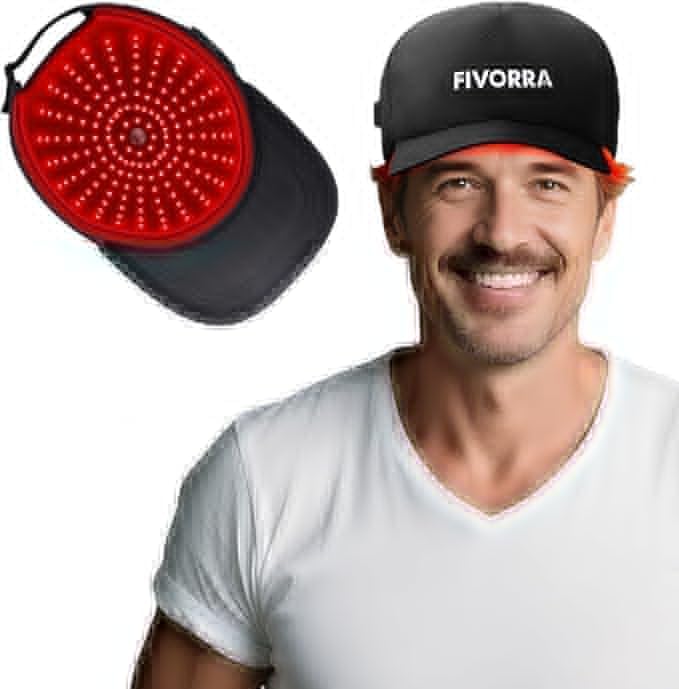
- The Helmet (e.g., iRestore, Capillus): These are hands-free. You wear it like a baseball cap for a set amount of time (usually 10-30 minutes). The trade-off is price, but the convenience dramatically increases compliance—which is essential for results.
Practical Application: How to Use Light Therapy Correctly
If you buy a device and use it wrong, you will waste your money. Here is the practical protocol based on my discussions with dermatologists.
1. Consistency is King
Hair grows in cycles. You cannot do this for two weeks and expect a mane. Clinical trials show the first signs of growth at 12 to 16 weeks. Visible thickening usually requires 6 to 9 months of adherence. Missing three days a week breaks the stimulus.
2. The Dose Makes the Poison
More is not better. If a device is calibrated for 10 minutes, using it for an hour will not grow hair faster. In fact, excessive thermal buildup can damage the follicle. Stick to the manufacturer’s timer, usually 3 to 4 times per week.
3. Scalp Preparation
The light must reach the follicle. If you have thick hair, you need a device with combs or bristles that part the hair to allow photons to hit the scalp. Using a helmet on dense, untamed hair might only treat the top layer.
Combining Therapies: The Stacking Strategy
Dermatologists rarely prescribe just one thing for hair loss. Light therapy works exceptionally well as part of a “multimodal” approach.
- With Topical Minoxidil (Rogaine): This is the power couple. Minoxidil pushes the follicles into the growth phase, while LLLT energizes them to stay there longer. Studies suggest the combination yields better density than either treatment alone.
- With Nutraceuticals: Addressing nutritional deficiencies (Iron, Vitamin D, Biotin) ensures the follicle has the raw materials to build hair once the light therapy turns the cellular machinery back on.
- With Anti-Androgens: For men, Finasteride tackles the hormonal (DHT) side of the equation. Light therapy handles the cellular health side. They treat different causes simultaneously.
Key Takeaways
- It is scientifically valid: Low-level laser therapy is not pseudoscience. It has FDA clearance for hair growth and is supported by multiple randomized controlled trials.
- It requires patience: This is a slow process. You are essentially waking up dormant follicles, which takes months, not days.
- Device quality matters: Look for devices with a high number of diodes and medical-grade wavelengths (650nm-810nm). Avoid cheap, unbranded Amazon knockoffs that may emit ineffective light.
- Best for early intervention: Light therapy is most effective for individuals in the early to moderate stages of thinning (Norwood Hamilton stages 1-3 for men, Ludwig stages 1-2 for women).
Frequently Asked Questions
Is light therapy for hair growth FDA approved?
The FDA does not “approve” devices in the same way it approves drugs. However, many LLLT devices have received FDA “Clearance” (Class II medical devices), meaning the manufacturer demonstrated that their device is “substantially equivalent” to a legally marketed device in terms of safety and effectiveness for promoting hair growth.
Does light therapy work for women with hormonal hair loss?
Yes, specifically for female pattern hair loss (androgenetic alopecia). However, it is generally not effective for temporary shedding caused by pregnancy, severe stress (telogen effluvium), or thyroid issues unless those underlying conditions are resolved first.
Can I use too much light therapy?
Overuse can theoretically lead to “bi-phasic dose response.” This means that while a low dose stimulates activity, a very high dose can inhibit it. Always adhere to the recommended usage schedule. Fatigue or scalp tenderness is a sign to back off.
How much does a good quality laser cap cost?
Clinical-grade devices range from $400 to $1,200. The price usually correlates with the number of laser diodes and the quality of the ergonomics. This is a medical investment, not a beauty gadget splurge.
Are at-home devices as good as in-clinic treatments?
In-clinic chairs have more powerful lasers, but you are paying for the technician’s time and the overhead. At-home devices allow for the frequency of use that is actually required for results. For a condition like hair loss, daily or every-other-day treatment at home is often superior to a once-a-month session at a clinic.
The Bottom Line
Light therapy has earned its place in the dermatological toolkit. It is one of the few non-pharmaceutical interventions that actually alters the biology of the follicle. But it demands a shift in mindset: you aren’t fixing hair loss; you are managing a biological process.
If you go into this expecting a quick fix, you will be disappointed. But if you understand you are playing the long game—feeding your follicles energy every week for a year—the payoff, backed by clinical data, is a head of hair that is denser, healthier, and stronger than it would have been without it.