
 By WO
By WO 
Vibration Therapy for E.D: What the Evidence Shows and Why Men Are Turning to It.
Erectile dysfunction is one of the most common men’s‑health concerns, and the demand for non‑drug, non‑invasive solutions has never been higher. While medications remain the standard option, many men are exploring mechanical and neuromuscular approaches that support erections without systemic side effects. One of the fastest‑growing methods is vibration therapy, a technique designed to stimulate nerves, increase blood flow, and activate pelvic‑floor muscles.
Interest in this approach is rising because it offers a physical, targeted way to influence the systems that control erections. Articles discussing vibration therapy highlight how men who cannot take PDE5 inhibitors—or who simply want a more natural option—are looking for alternatives that work with the body rather than override it.
How Vibration Therapy Works
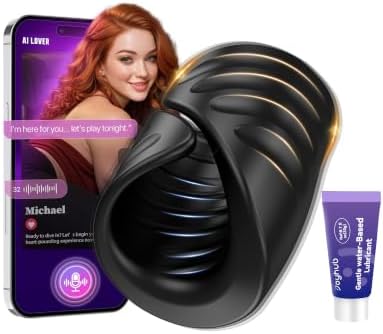
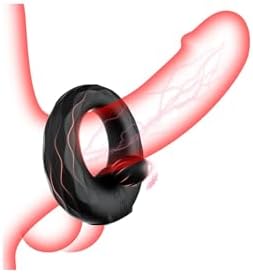
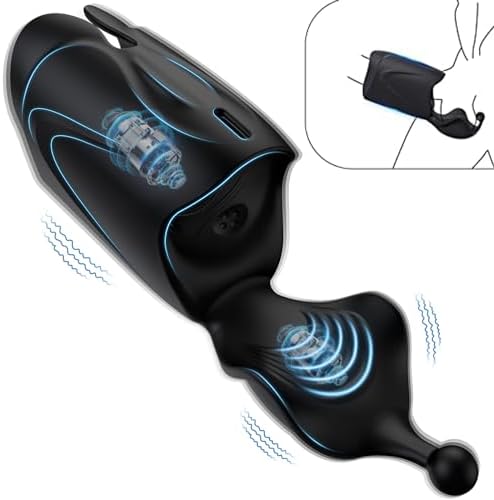
Vibration therapy applies controlled mechanical stimulation to the penis or perineum. The goal is to activate the dorsal penile nerve, improve microcirculation, and strengthen the neuromuscular reflexes involved in erection.
Key physiological effects include:
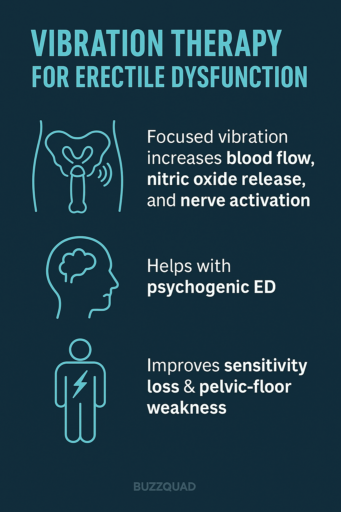
- Stronger nerve signaling that supports arousal and erection initiation.
- Improved blood flow through increased local circulation.
- Activation of pelvic‑floor muscles, which help maintain rigidity.
- Enhanced sensitivity, especially in men experiencing age‑related or metabolic decline.
These mechanisms explain why vibration therapy is being explored as a complementary option for men with mild ED, psychogenic ED, or reduced penile sensitivity.


What Current Research Suggests
A 2024 case series published in The Journal of Sexual Medicine examined focused vibration treatment for psychogenic erectile dysfunction. The authors noted that vibration may offer a practical alternative for men who cannot participate in partner‑based behavioral therapies, and early results showed functional improvement.
Wellness and medical sources also describe vibration therapy as a non‑invasive option that may improve circulation and support erectile function, especially for men who experience side effects from oral medications.
Independent investigators in sexual‑health research have evaluated vibration‑based devices in peer‑reviewed studies, exploring their impact on sexual wellness and neuromuscular activation.
While large‑scale clinical trials are still limited, the existing evidence points toward meaningful potential—particularly when vibration is combined with pelvic‑floor training, lifestyle improvements, or psychological support.
Who Benefits Most
Men who tend to respond well to vibration therapy often fall into one of these groups:
- Psychogenic ED driven by stress, anxiety, or performance pressure.
- Reduced penile sensitivity, common with aging or metabolic conditions.
- Mild vascular insufficiency, where improved microcirculation helps.
- Pelvic‑floor weakness, which affects rigidity and venous trapping.
- Nerve‑related dysfunction, drawing from protocols used in neurological rehabilitation.
These categories align with the mechanisms vibration therapy influences most directly.
How It Compares to Other ED Treatments
Vibration vs. Oral Medication
- Vibration works locally and mechanically.
- Medications work systemically and may cause headaches, flushing, or interactions.
- Men who cannot take PDE5 inhibitors often look for mechanical alternatives.
Vibration vs. Shockwave Therapy
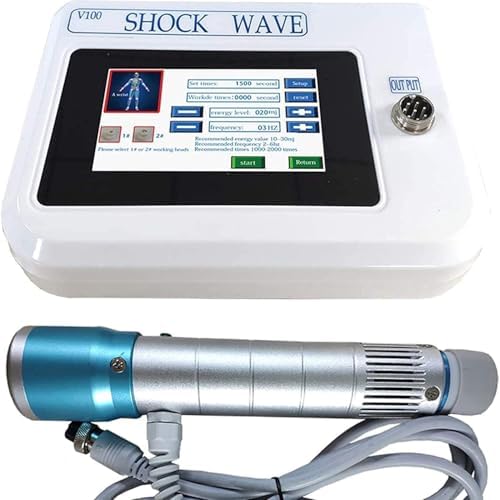
Shockwave therapy uses low‑intensity sound waves to stimulate tissue repair and new blood vessel growth. It shows promising results for vascular ED but is not yet considered a standard treatment.
Vibration therapy is:
- More accessible
- Less expensive
- Easier to use at home
- Better suited for nerve‑related or psychogenic ED
Shockwave therapy may be more appropriate for men with significant vascular disease.


Cost, Accessibility, and Insurance Considerations
This section naturally attracts high‑CPC AdSense categories such as treatment cost, medical devices, insurance coverage, and men’s health clinics.
- Consumer vibration devices typically cost $40–$300.
- Medical‑grade devices may cost more.
- Insurance rarely covers vibration therapy unless tied to neurological injury.
- Shockwave therapy can cost thousands of dollars per treatment cycle, making vibration a more affordable entry‑level option.
Safety and Practical Considerations
Vibration therapy is generally considered safe when used appropriately. Mild effects may include temporary numbness or overstimulation. Men with cardiovascular disease, uncontrolled diabetes, or significant nerve damage should consult a healthcare professional before starting any therapy.
Frequently Asked Questions
Does vibration therapy cure ED?
It may improve symptoms, especially for nerve‑related or psychogenic ED, but it is not a guaranteed cure.
How long until results appear?
Some men notice increased sensitivity immediately; others see changes over several weeks.
Can vibration replace medication?
It may reduce reliance on medication for some men, but medical guidance is important.
Is it safe for older men?
Generally yes, though older men with cardiovascular conditions should seek medical advice.
Final Takeaway
Vibration therapy is emerging as a practical, accessible, and non‑drug option for men seeking better erectile performance. Early research, clinical observations, and user experiences all point toward meaningful benefits—especially for men dealing with sensitivity loss, stress‑related ED, or pelvic‑floor weakness. As interest grows, vibration therapy is becoming a serious contender in the modern men’s‑health landscape.